|
Product Details:
|
| Boiling Point: | 243-248 °C | Bp: | 248.8 °C/1013 HPa |
|---|---|---|---|
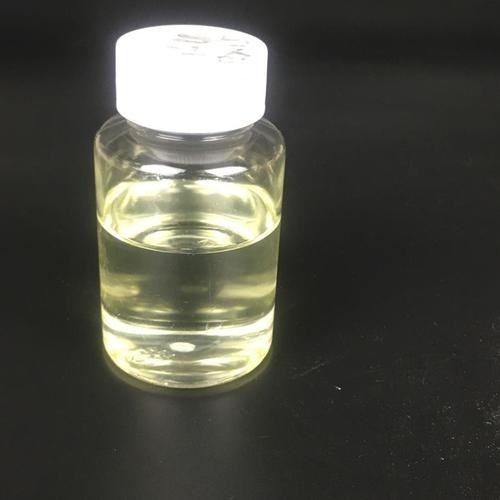
| Form: | Liquid | Mp: | -79 °C |
| Fapor Pressure: | 0.06 HPa ( 20 °C) | PH: | 10.2 (20 °C, 8.1 G/L In H2O) |
| Autoignition Temp: | 240 °C | ||
| Highlight: | Stimulant L-Nicotine Liquid,Pharmaceutical 99% L-Nicotine,Pharmaceutical Drug CAS 54-11-5 |
||
Thermo Scientific Chemicals L-Nicotine, 99+% Cas No 54-11-5
DESCRIPTION
Nicotine, commonly known as nicotine, is an organic compound with the chemical formula C10H14N2, which is highly toxic. It is an alkaloid found in plants of the Solanaceae family (Solanaceae) and an important component of tobacco. It is also a representative of N-choline receptor agonists and has no clinical application value for both N1 and N2 receptors and the central nervous system.
Nicotine can cause addiction or dependence, and repeated use of nicotine can also increase heart rate, increase blood pressure, and reduce appetite. High doses of nicotine can cause vomiting and nausea, and in severe cases, people can die. Tobacco usually contains nicotine. E-cigarettes also contain the harmful substance nicotine of traditional tobacco
USES
Nicotine acts on nicotinic acetylcholine receptors, especially those on the autonomic nervous system(( α 1)2( β 4) 3) Receptors related to the central nervous system(( α 4)2( β 2) 3) The former is located in the medulla of the accessory kidney and other locations, while the latter is located in the central nervous system. At low concentrations, nicotine increases the activity of these receptors, and nicotine also has a small direct effect on other neurotransmitters. Inhibition at high concentrations
Properties
≥99.0% (GC)
liquid
248.8 °C/1013 hPa
-79 °C
240 °C
0.7-4 % (v/v)
0.06 hPa ( 20 °C)
![]()
Contact Person: Mr. SUPING. JIANG
Tel: +86 135 2473 2599