|
Product Details:
|
| Boiling Point: | 243-248 °C | Bp: | 248.8 °C/1013 HPa |
|---|---|---|---|
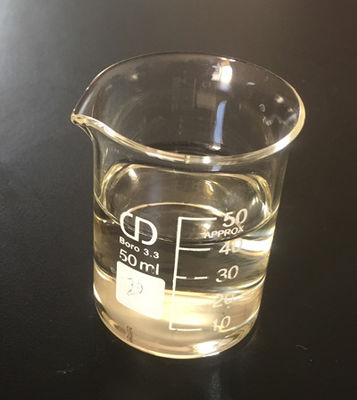
| Form: | Liquid | Mp: | -79 °C |
| Fapor Pressure: | 0.06 HPa ( 20 °C) | PH: | 10.2 (20 °C, 8.1 G/L In H2O) |
| Autoignition Temp: | 240 °C | ||
| Highlight: | 99% L-Nicotine Stimulant,L-Nicotine Anxiolytic Pharmaceutical Drug,CAS 54-11-5 Chemical Intermediates |
||
Thermo Scientific Chemicals L-Nicotine, 99+% Cas No 54-11-5
DESCRIPTION
Nicotine, commonly known as nicotine, is an organic compound with the chemical formula C10H14N2, which is highly toxic. It is an alkaloid found in plants of the Solanaceae family (Solanaceae) and an important component of tobacco. It is also a representative of N-choline receptor agonists and has no clinical application value for both N1 and N2 receptors and the central nervous system.
Nicotine can cause addiction or dependence, and repeated use of nicotine can also increase heart rate, increase blood pressure, and reduce appetite. High doses of nicotine can cause vomiting and nausea, and in severe cases, people can die. Tobacco usually contains nicotine. E-cigarettes also contain the harmful substance nicotine of traditional tobacco
USES
Nicotine can bind to the nicotine acetylcholine receptor, increasing the amount of neurotransmitters and dopamine in the brain. Nicotine actually creates a sense of emptiness in the brain, and by increasing its concentration through smoking and other methods, it alleviates the emptiness caused by nicotine's rapid metabolism, creating false illusions such as confidence and relaxation that smoking can give people, and ultimately leading to addiction.
The smoke produced by tobacco combustion contains monoamine oxidase inhibitor, which can inhibit monoamine oxidase from decomposing monoamine neurotransmitters, such as dopamine, norepinephrine and 5-HT.
Properties
≥99.0% (GC)
liquid
248.8 °C/1013 hPa
-79 °C
240 °C
0.7-4 % (v/v)
0.06 hPa ( 20 °C)
![]()
Contact Person: Mr. SUPING. JIANG
Tel: +86 135 2473 2599