|
Product Details:
|
| Boiling Point: | 243-248 °C | Bp: | 248.8 °C/1013 HPa |
|---|---|---|---|
| Form: | Liquid | Mp: | -79 °C |
| Fapor Pressure: | 0.06 HPa ( 20 °C) | PH: | 10.2 (20 °C, 8.1 G/L In H2O) |
| Autoignition Temp: | 240 °C | ||
| Highlight: | Pharmaceutical Grade Stimulant L-Nicotine,Anxiolytic L-Nicotine 99% |
||
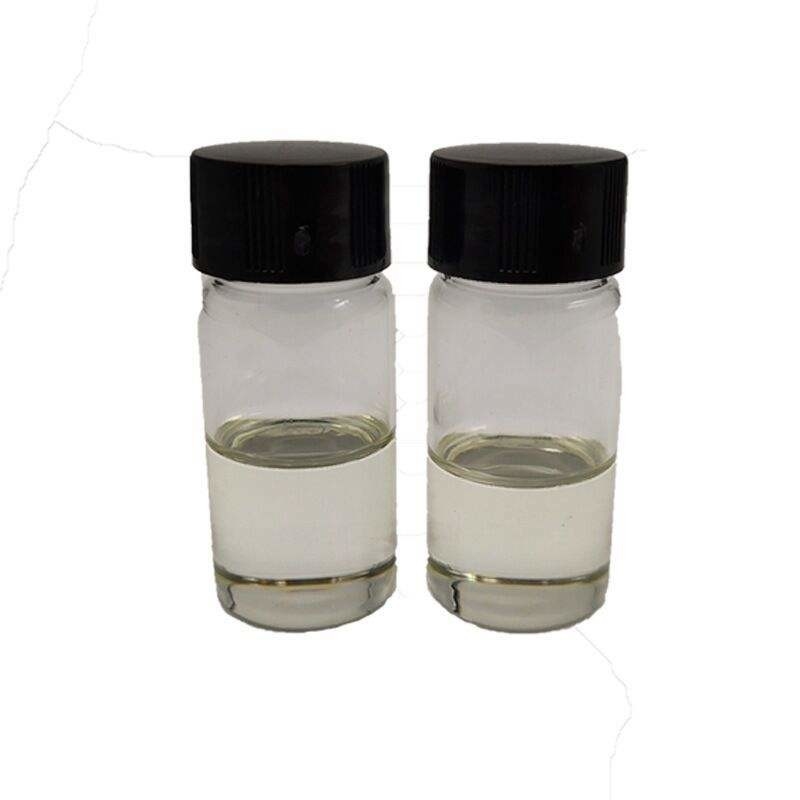
Thermo Scientific Chemicals L-Nicotine, 99+% Cas No 54-11-5
DESCRIPTION
Nicotine, commonly known as nicotine, is an organic compound with the chemical formula C10H14N2, which is highly toxic. It is an alkaloid found in plants of the Solanaceae family (Solanaceae) and an important component of tobacco. It is also a representative of N-choline receptor agonists and has no clinical application value for both N1 and N2 receptors
Nicotine can cause addiction or dependence, and repeated use of nicotine can also increase heart rate, increase blood pressure, and reduce appetite.
USES
When nicotine binds to the nicotine receptor in the adrenal medulla, it increases the level of adrenaline in the blood. By combining with the receptor, nicotine makes the cell depolarization, and calcium ion flows in from the calcium channel. Calcium ion urges nerve cells to release epinephrine and norepinephrine into the blood in the way of secretion. The adrenaline in the blood increases, resulting in faster heartbeat, higher blood pressure, and faster breathing, just like the situation of hyperglycemia. Cotinine is a by-product of nicotine metabolism, which can remain in the blood for 48 hours and can be used to test whether a person smokes
Properties
≥99.0% (GC)
liquid
248.8 °C/1013 hPa
-79 °C
240 °C
0.7-4 % (v/v)
0.06 hPa ( 20 °C)
![]()
![]()
Contact Person: Mr. SUPING. JIANG
Tel: +86 135 2473 2599