|
Product Details:
|
| CAS: | 89402-43-7 | MF: | C5H2ClF2N |
|---|---|---|---|
| Mp: | 47-49℃ | Bp: | 135°C |
| Refractive Index: | 1.4738 | Molecular Weight: | 149.53 |
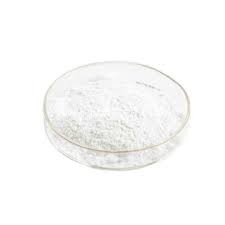
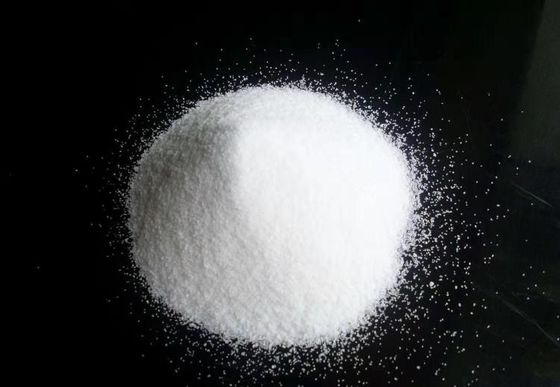
| Density: | 1.442 | Appearance: | White Crystalline Solid |
| Highlight: | Organophosphorus Pesticides Dmpat-Spermine,95% Dmpat-Spermine,Chemical Intermediates 71-44-3 |
||
2,3-Difluoro-5-Chloropyridine For The Synthesis Of High-Efficiency Pesticide Clodinafop-Propargyl Cas 89402-43-7
DESCRIPTION
Spermine is a polyamine compound composed of two amino groups and two imino groups. Spermine is widely distributed in animals, plants, and microorganisms, and is an important metabolic substance that promotes cell proliferation. In living organisms, putrescine and S-adenosylmethionine are synthesized through the action of various enzymes.In acidic environments, spermine has various cationic polyamine properties and can bind to the DNA of viruses and bacteria. It can improve the stability and flexibility of DNA molecules and is an essential component in cell culture media. In addition, spermine (O, O-dimethylthiophosphoramide) is sometimes referred to as spermine.
Specification
| product Name | DMPAT |
| Synonyms | O,O-dimethylamidothiophosphate; O,O-Dimethyl Phosphoroamido Thioate; N,N-Bis(3-aminopropyl)-1,4-butanediamine; Spermine; N,N-Bis(3-aminopropyl)-1,4-diaminobutane; |
| Molecular Formula | C10H26N4 |
| Molecular Weight | 202.3698 |
| InChI | InChI=1/C10H26N4/c11-5-3-9-13-7-1-2-8-14-10-4-6-12/h13-14H,1-12H2/p+4 |
| CAS Registry Number | 71-44-3;17321-47-0 |
| EINECS | 200-754-2 |
| Molecular Structure |
71-44-3;17321-47-0 DMPAT |
| Melting point | 26-30℃ |
| Boiling point | 308.4°C at 760 mmHg |
| Flash point | 175.6°C |
| Vapour Pressur | 0.000683mmHg at 25°C |
| Hazard Symbols | C:Corrosive; |
| Risk Codes | R34:; |
| Safety Description | S26:; S36/37/39:; S45:; |
USES
Agonists/antagonists of mixed NMDA glutamate receptors at polyamine sites. Neuroprotective effects have been observed at high concentrations (1mM), while neurotoxicity can be observed at low concentrations. It enhances the reaction at the glycine site that is not sensitive to brucine. Plays a major role in cell proliferation and differentiation; Inhibition of neuronal nitric oxide synthase (nNOS). Spermine, putrescine, and spermidine form the polyamine family (polycation), which is essential for the growth and survival of the vast majority of living cells. Polyamines interact with negatively charged molecules in Chemicalbook, such as proteoglycans, glycated proteins, and nucleic acids (DNA and RNA). Biological polyamines have been found to regulate protein synthesis at different levels. This effect can be explained as polyamine binding and affecting the secondary structure of tRNA, mRNA, and rRNA. Spermine also helps to stabilize the nucleic acid helix structure and form glycosylated proteins such as histones. Spermine and spermidine are components of various nucleic acid transfection schemes.
![]()
![]()
Contact Person: Mr. SUPING. JIANG
Tel: +86 135 2473 2599